Many vehicle owners still believe that changing car oil can be postponed as long as the engine feels normal and the vehicle can still be driven. In reality, this assumption can contribute to declining engine performance over the long term. An engine does not always show immediate symptoms when its oil has exceeded its service life, but damage can gradually occur without being noticed.
So, when should you change your car oil? Should it be based on mileage, time of use, or should you simply wait until the oil warning light comes on? These questions are particularly relevant for companies operating vehicles that rely on cars to support their daily business activities.
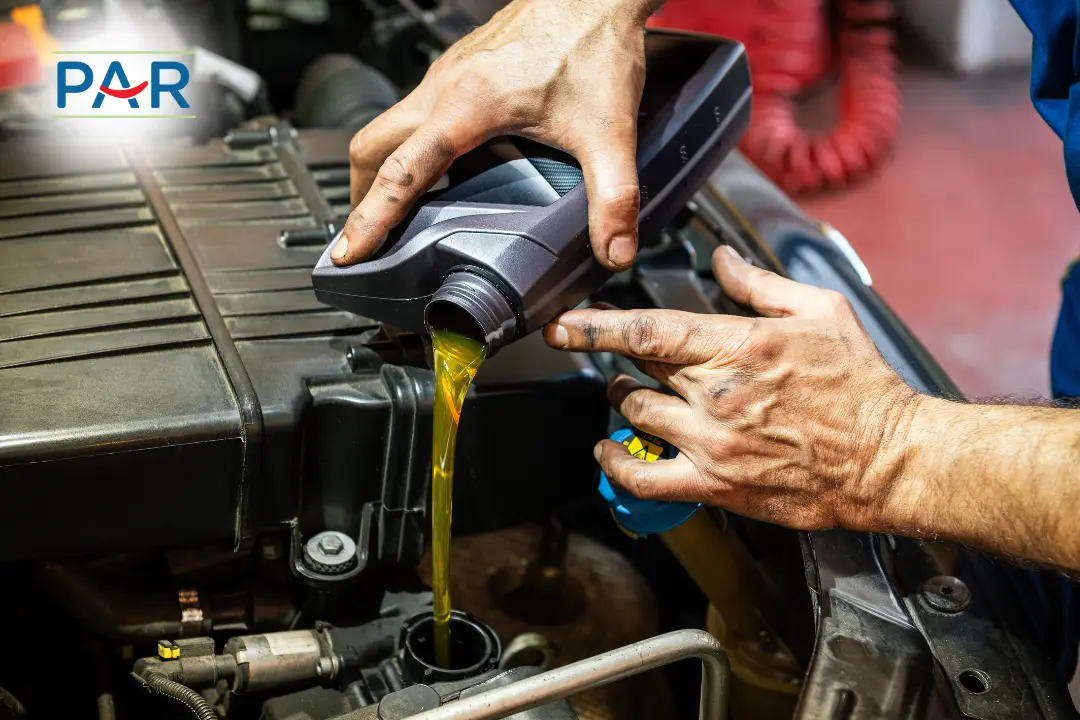
In reality, car engine oil has a limited service life. Over time, its ability to lubricate, cool, clean, and protect engine components gradually decreases. If the oil change is delayed, friction between components increases, which can lead to higher fuel consumption, reduced vehicle performance, and potentially serious engine damage requiring significantly higher repair costs.
Many people know engine oil simply as a lubricant. However, its role is much more complex than just reducing friction.
Here are some of the main functions of car engine oil.
An engine contains hundreds of metal components that move at high speeds. Engine oil creates a protective layer that prevents these components from coming into direct contact with each other. Without proper lubrication, engine components can wear out more quickly.
An engine generates significant amounts of heat while operating. Oil helps absorb and distribute heat, helping maintain a stable engine temperature and reducing the risk of overheating.
The combustion process produces carbon residue and small particles inside the engine. Oil helps capture these contaminants to prevent them from accumulating and affecting engine performance.
Engine oil also creates a protective layer that helps prevent corrosion caused by moisture and oxidation within the engine.
An engine with optimal lubrication can operate more smoothly, helping improve fuel efficiency while maintaining performance.
In addition to following the recommended car oil change schedule, vehicle owners should also recognize the following warning signs.
Engine oil naturally changes color as it is used because it collects contaminants. However, if the oil becomes extremely dark and thick, its lubricating performance may already be declining.
A rougher or louder engine sound can indicate that lubrication is no longer optimal, causing increased friction between engine components.
If acceleration becomes slower even though other engine conditions appear normal, degraded engine oil quality may be one of the contributing factors.
The oil warning light is an important warning that should never be ignored. Have the vehicle inspected immediately to prevent potential engine damage from becoming more serious.
Oil that is no longer performing optimally may have a reduced ability to assist with engine cooling, causing the operating temperature to rise more quickly.
Increased engine friction requires the engine to work harder. As a result, fuel consumption may also increase.
One of the most common questions is, when should you change your car oil?
The answer depends on several factors, including the type of oil, vehicle usage patterns, road conditions, and the manufacturer's recommendations. However, the following guidelines can be used as a general reference.
For normal use:
If a vehicle is used for daily operations with high mobility, the oil change interval may need to be shorter.
Even when a vehicle is rarely used, engine oil can still undergo oxidation. As a general guideline:
Vehicles frequently exposed to the following conditions may require more frequent oil changes:
Delaying an oil change may appear to save money in the short term. In reality, it can increase expenses because of the potential for more serious damage.
Reduced lubrication increases metal-to-metal friction, causing engine components to wear more quickly.
Oil that has been used for too long can turn into sludge, potentially clogging lubrication passages.
Reduced cooling performance from degraded oil can increase engine temperature and raise the risk of overheating.
Poor lubrication makes the engine work harder, resulting in increased fuel consumption.
Damage caused by delayed oil changes may require engine component replacement, which can cost significantly more than routine maintenance.
Changing the oil alone is not enough. Choosing the right type of engine oil is also important.
Make sure the oil viscosity and quality standards meet the vehicle manufacturer's recommendations.
Operational vehicles used intensively may require high-quality oil that can maintain engine performance under various working conditions.
Different types of oil have different replacement intervals. Do not choose oil based solely on price.
The oil filter removes contaminants from the oil. Changing the oil without replacing the filter can cause the new oil to become contaminated more quickly.
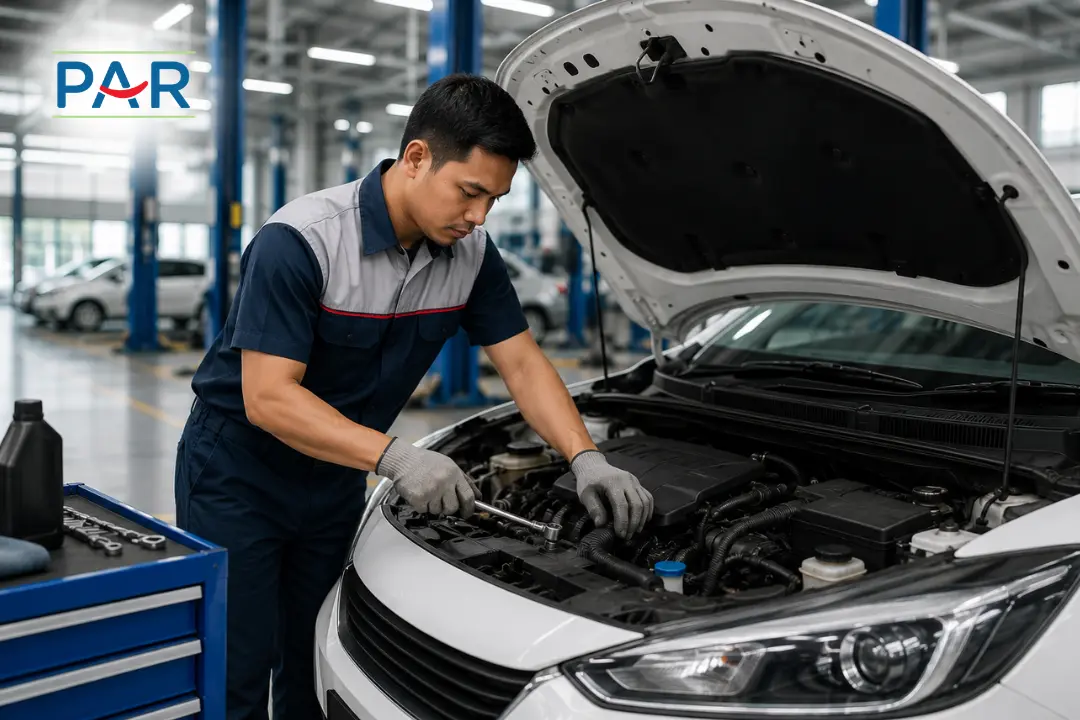
Many vehicle owners assume that changing the oil is enough to keep a car in good condition. In reality, regular car servicing includes inspections of various other important components.
These typically include:
A comprehensive inspection helps identify potential problems early, keeping the vehicle safe and comfortable to drive.
For companies managing vehicle fleets, regular servicing also helps reduce the risk of vehicles becoming unavailable due to unexpected breakdowns. This directly contributes to operational efficiency and maintenance cost control.
In addition to delaying oil changes, there are several other common mistakes that vehicle owners should avoid.
Mixing oils with different specifications can affect lubrication quality and is not always recommended.
If the oil level continues to decrease, do not simply top it up. Identify the cause of the leak to prevent the problem from recurring.
Record the date and mileage of the last oil change so that the next maintenance schedule is not missed.
Make sure the vehicle is handled by experienced technicians using appropriate inspection procedures to maintain service quality.
Performing a car oil change on time is a simple investment that can provide significant benefits for engine longevity, fuel efficiency, and driving comfort. However, vehicle maintenance should not stop at oil changes. Comprehensive regular car servicing helps ensure that all vehicle components continue to operate optimally.
For companies managing vehicle fleets, Prima Armada Raya, through its PRIMA Auto Care & Sales service, provides comprehensive vehicle maintenance solutions. Supported by experienced technicians, high maintenance standards, and services designed to keep vehicles in optimal condition, Prima Armada Raya helps ensure that fleets are always ready to support business operations.
If you want to maintain vehicle performance while improving fleet operational efficiency, take advantage of Prima Armada Raya's vehicle maintenance services and schedule regular servicing according to your vehicle's needs.
Knowing when to change your car oil is an important part of maintaining vehicle performance. Do not wait until signs of damage appear. Instead, follow the car oil change schedule based on both time and mileage, and conduct regular inspections as part of proper car maintenance.
By changing car engine oil on time, the risk of engine damage can be minimized, fuel efficiency can be maintained, and vehicle lifespan can be extended. Combined with comprehensive regular car servicing, your vehicle will remain ready to support both personal mobility and business operations.