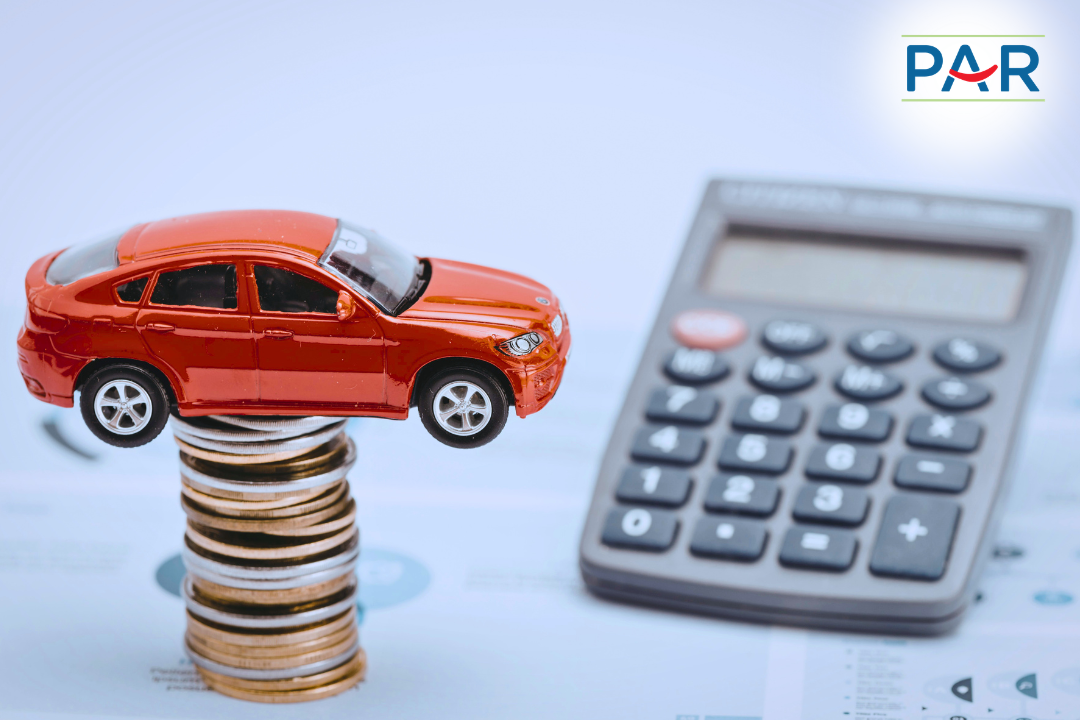
Running a business requires more than just the right strategy for managing human resources and finances. Companies also need to ensure that all operational assets are working efficiently. For businesses that rely on vehicles to support daily operations, routine car maintenance is an aspect that is often overlooked. In fact, postponing scheduled maintenance can lead to significantly higher costs in the long run.
Many companies only take their vehicles to a workshop when signs of damage begin to appear, such as reduced engine performance, brake problems, or warning lights on the dashboard. At first glance, this approach may seem like a way to reduce expenses because the company does not have to pay for regular car servicing. But does it really save money?
In practice, regular vehicle maintenance is generally more cost-effective than repairing a vehicle after a major breakdown. Maintenance performed according to schedule helps maintain vehicle performance, reduce the risk of unexpected breakdowns, improve vehicle efficiency, and extend the service life of a fleet.
So, why can scheduled maintenance have such a significant impact on a company's operational costs? Let us take a closer look.
Operational vehicles play an important role in supporting business activities, from goods distribution and employee mobility to daily operational needs. Unlike private vehicles, company fleets are generally used more intensively, causing their components to wear out more quickly.
The more frequently a vehicle is used, the greater the likelihood of declining performance in the engine, braking system, suspension, and tires. Without proper routine car maintenance, minor issues can develop into more serious problems that require costly repairs.
In addition to keeping vehicles in good condition, scheduled servicing also helps companies control operational costs. Well-maintained vehicles generally have better fuel efficiency, a lower risk of breakdowns, and more predictable component replacement needs.
In other words, scheduled maintenance is not simply an expense. It is an investment in maintaining business productivity.
Determining the right maintenance schedule is the first step toward maintaining vehicle performance. Unfortunately, many companies only service their vehicles when they begin to show signs of damage. In reality, most vehicle components gradually deteriorate without immediately showing noticeable symptoms.
Performing vehicle maintenance according to schedule helps identify potential problems at an early stage, allowing repairs to be carried out before they affect other components.
In general, vehicles should undergo scheduled maintenance every 5,000 to 10,000 kilometers, or according to the manufacturer's recommendations. In addition to mileage, vehicles should still be inspected regularly even when they are not used frequently, as certain components, such as engine oil and other fluids, can deteriorate over time.
For companies managing large fleets, maintaining accurate service records is essential to ensure that no vehicle misses its scheduled maintenance.
Managing maintenance schedules becomes easier when companies have a monitoring system that records each vehicle's maintenance history. Information such as the date of the last oil change, previous servicing, and components that have been replaced can be used to plan future maintenance schedules.
This approach also helps companies estimate maintenance budgets more accurately.
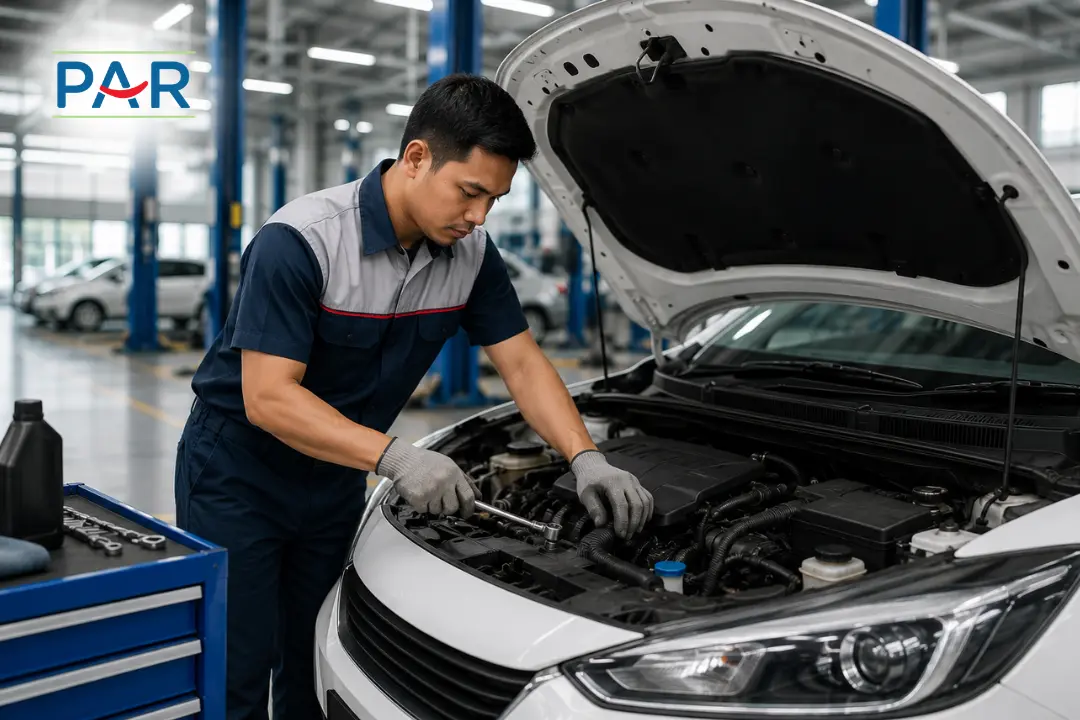
Scheduled maintenance is not limited to changing engine oil. A comprehensive inspection of key vehicle components is necessary to ensure that vehicles remain safe, comfortable, and ready to support daily operations.
Here are several components that should be regularly checked during vehicle servicing.
Engine oil lubricates engine components to minimize friction. Oil that has exceeded its service life loses its lubricating ability, which can accelerate engine wear. In addition to the oil itself, the oil filter should also be replaced regularly to maintain optimal lubrication circulation.
A dirty air filter can restrict the amount of air entering the combustion chamber. As a result, combustion becomes less efficient, which can reduce engine performance and increase fuel consumption.
Brakes are one of the most important safety components and require particular attention. Inspections should cover brake pads, discs, brake fluid, and brake hoses. Replacing worn components can help reduce safety risks while maintaining driving comfort.
Tires are the only part of a vehicle that comes into direct contact with the road surface. Therefore, their condition must always be properly maintained.
Regular inspections generally include tire pressure, tread depth, wheel balance, and tire wear. Well-maintained tires not only improve safety but can also contribute to better vehicle efficiency by optimizing rolling resistance.
Problems with the suspension can make a vehicle unstable, particularly when carrying a load. The steering system should also be inspected to ensure that the vehicle remains easy to control during operation.
The battery, alternator, lights, and electrical wiring should be inspected to ensure that the entire system functions properly. Minor electrical problems can make a vehicle difficult to start or even cause it to stop operating unexpectedly.
In addition to engine oil, several other fluids have specific service intervals, including radiator coolant, transmission fluid, brake fluid, power steering fluid, and windshield washer fluid. All of these fluids should be checked and replaced according to schedule to maintain optimal vehicle performance.
Postponing maintenance may appear to be a way to reduce short-term expenses. However, this decision can actually increase a company's total operational costs.
Here are several risks that can arise when vehicle servicing is delayed.
A small problem that is not addressed promptly can affect other components. For example, delaying an oil change can cause excessive friction within the engine, potentially leading to serious damage that requires significantly more expensive repairs.
Unexpected breakdowns can make vehicles unavailable for business operations. As a result, distribution activities and business mobility can be disrupted.
Downtime can also create indirect costs because overall business productivity may decline.
Vehicles that are not properly maintained generally consume more fuel. In addition, more frequent repairs can significantly increase total car servicing costs.
Components that continue operating without proper maintenance will wear out more quickly. Over time, vehicle performance can deteriorate faster, shortening the overall service life of the vehicle.
As modern fleet management continues to evolve, more companies are adopting the concept of preventive maintenance. This strategy focuses on preventing breakdowns through scheduled maintenance rather than waiting until a vehicle experiences a problem.
This approach can help maintain fleet availability while keeping operational costs under control.
Minor repairs generally cost less than replacing major components after extensive damage has occurred. With preventive maintenance, companies can identify potential issues early before they develop into serious problems.
Regularly maintained fleets have a lower risk of downtime, helping ensure that vehicles are ready whenever they are needed.
This is particularly important for companies that rely on vehicles to support their daily operations.
An engine operating in optimal condition can deliver better fuel efficiency. In addition to helping reduce operational costs, proper maintenance also helps keep vehicle performance consistent.
Because maintenance schedules are planned in advance, companies can prepare their vehicle maintenance budgets more accurately and avoid unexpected expenses caused by major breakdowns.
In addition to conducting regular maintenance, choosing the right service provider is also important for maintaining the quality and reliability of a company fleet.
Here are several factors to consider when selecting a fleet maintenance service.
Make sure the service provider has experience handling operational vehicles so that inspections can be carried out comprehensively and according to appropriate standards.
A good maintenance service should not focus solely on oil changes. It should also inspect all major vehicle components to ensure that the vehicle remains safe and operational.
Replacement components that meet the required specifications can help maintain vehicle performance while extending the vehicle's service life.
Well-documented service records make it easier for companies to manage future maintenance schedules and evaluate the condition of each vehicle.
Routine car maintenance is an important step in keeping vehicles in optimal condition while helping companies control their operational costs. Scheduled servicing helps prevent major breakdowns, reduce downtime, improve vehicle efficiency, and make car servicing costs more predictable.
For companies managing operational fleets, implementing preventive maintenance can also provide long-term benefits, including higher productivity and a longer vehicle lifespan. Therefore, choosing a professional vehicle maintenance service is an important part of an effective fleet management strategy.
To support these needs, Prima Armada Raya provides PRIMA Auto Care & Sales, offering comprehensive fleet maintenance solutions ranging from scheduled servicing and vehicle repairs to ongoing maintenance support, helping ensure that fleets are always ready for operation. With professionally managed maintenance services, companies can focus on running their businesses without having to worry about the condition of their operational vehicles.